Broken but Chosen: A Designer’s Review for Craft Markets
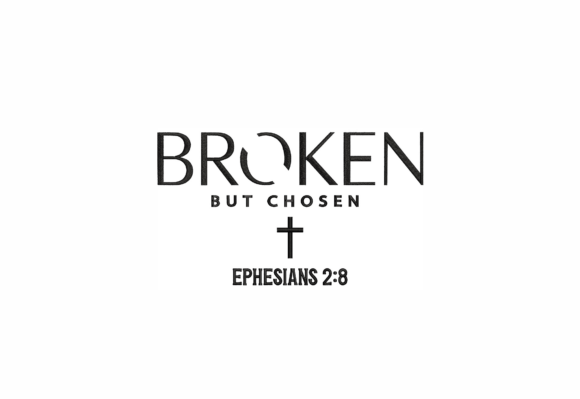
Prepping for a weekend craft fair means choosing designs that will resonate across a crowded table. When I look at the Broken but Chosen Embroidery Design, my first impression is undeniably modern and bold. It leans into a high-concept, minimalist aesthetic. That broken letter O isn’t just decorative; it’s symbolic and creates instant visual intrigue. This gives it a premium, thoughtful feel rather than a cute or rustic one. It speaks to a specific, heartfelt narrative, which is powerful in the Fashion Beauty and personal expression space.
Where This Design Stands Out on Your Booth Table
In a display of embroidered totes, aprons, tea towels, and caps, this design needs placement on products where its message can be seen clearly and its minimalist style can shine. It’s not a background filler; it’s a focal point.
- Tote Bags and Market Bags: A large, centered placement on a neutral canvas tote makes a striking statement. The clean design elevates the bag’s perceived value.
- Pillow Covers: In a home setting, this design on a linen pillow feels elegant and personal, perfectly fitting a handmade product meant for gifting.
- Tea Towels and Aprons: On a kitchen towel, it transitions from purely decorative to meaningful. The embroidery file must handle the textured fabric well.
- Embroidered Patches: This design could be exceptionally strong as a standalone patch. The symbolic broken O remains clear even at a smaller scale, allowing for application on jackets, bags, or as a small shop product sold individually.
- Caps: Be cautious here. The curved surface can distort lettering. A smaller version placed on the side might work, but test thoroughly.
- Small Pouches & Giftable Items: On a minimalist fabric pouch, it looks premium and intentional, perfect for a boutique maker’s lineup.
First Impressions and Customer Engagement
The strength of Broken but Chosen Embroidery Design is its immediate conceptual hook. At a glance, a customer understands it’s about resilience and faith. This sparks conversation and connection far more than a generic floral pattern. In a busy market, that emotional resonance is what stops someone walking by. It increases perceived product value and supports a story of handmade quality.
Practical Production: From Digital File to Finished Product
Turning this digital embroidery file into a successful craft fair product requires attention to production details.
- Understanding the Design: The minimalist layout suggests clean lines. However, the “broken” element likely involves specific stitch paths. Check for any potential stitch density issues in that O, which could be problematic on thicker fabrics like some tote bag materials.
- Size and Scale: This design likely works best as a medium to large focal point. Shrinking it too much for a small pouch might make the broken O detail lose its clarity and impact. Always confirm the recommended hoop size from the design provider.
- Batch Production: The clean, consistent design is excellent for repeatable batch production. Once you dial in the right stabilizer and fabric combo, you can efficiently run multiple items, a must for an Etsy seller or market prep.
- Photography and Online Sales: For your Etsy listings and printable mockups, this design photographs beautifully. The minimalist style looks sharp and professional against simple backgrounds, enhancing your brand consistency.
Crucial Careful-Use Notes for the Maker
Your final products must reflect the design’s intent. Here are key considerations:
- Fabric Choice: Opt for smooth, tightly woven fabrics like cotton linen or canvas for the clearest result. Very textured tea towel embroidery or looped towels may blur fine details.
- Thread Contrast: On dark fabric, use a bright, opaque thread. The message needs to pop. On light fabric, a classic black or deep navy could look sharp.
- Small Lettering Alert: If any lettering in the design is particularly small or thin, it may get lost on napped fabrics or in a small hoop size. Always test on scrap fabric first.
- Stitch Density and Stabilizer: A good stabilizer is non-negotiable, especially if the broken O creates a dense stitch area. This prevents puckering and maintains that clean, premium look.
The Embroidery Designer’s Final Checklist
Before committing this design to your entire market inventory, run through this real-world checklist.
- Create a Real Mockup: Never rely solely on digital previews. Embroider the Broken but Chosen Embroidery Design on the actual fabric you’ll use—be it a tote, pillow cover, or patch. Hold it, look at it from a distance.
- Check Thread Contrast: View your mockup in both bright and shaded lighting, mimicking market booth conditions.
- Review Spacing and Alignment: Ensure the design sits correctly on your chosen product. Centered on a tote? Off-center on a cap? Make it intentional.
- Inspect Stitch Density: Feel the embroidered area. Is it overly thick or stiff? This affects the drape of a tea towel or the feel of a pillow.
- Compare Fabric Colors: Test the design on at least two colorways you plan to sell. Does it work on both light and dark backgrounds?
- Confirm Commercial Licensing: Before selling any finished product, verify your rights to use this machine embroidery design for commercial embroidery. This is a fundamental step for any serious maker.
Ultimately, the Broken but Chosen Embroidery Design offers a compelling blend of visual simplicity and deep meaning. It’s a design that can anchor a section of your booth with a cohesive, powerful theme. By focusing it on products where its symbolism can be clearly appreciated and by managing the production details meticulously, you create not just another handmade product, but a meaningful piece that customers will remember and value.