Easter Garden Tomb Embroidery Design Review
As an embroidery designer preparing for a spring craft fair, evaluating a new design like the Easter Garden Tomb Machine Embroidery is a critical step. This isn't just about a file; it's about translating a digital embroidery design into a physical, sellable product that will stand out on a crowded booth table. Let’s walk through this from a purely practical, product-making perspective.
First Impression: Symbolic, Elegant, and Market-Ready
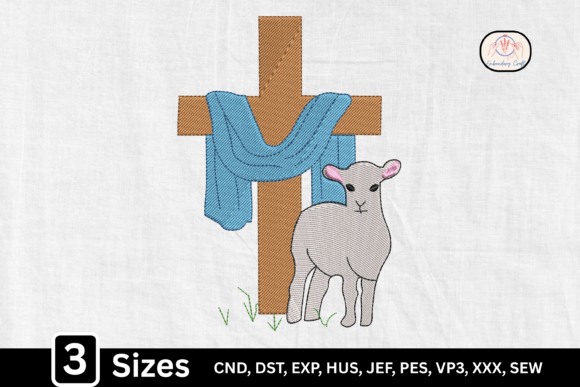
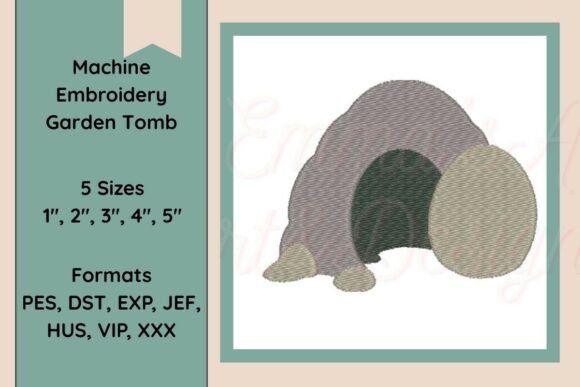
The name alone, Easter Garden Tomb Machine Embroidery, tells me this is a symbolic Christian design. My first thought is that it has a serious, elegant tone, not a cute or whimsical one. This immediately defines its market: customers looking for meaningful, faith-based handmade items. The "Garden Tomb" suggests natural elements—perhaps stone, foliage, a garden—which can lend itself to a softer, more decorative aesthetic than a stark graphic. This balance of symbolic weight and potential visual beauty is a strong starting point for a craft fair product.
Where It Stands Out on the Product Line
My booth display will have a range: tote bags, aprons, tea towels, caps, patches, small pouches, and pillow covers. The key is matching the design's mood to the right product to maximize its appeal and perceived value.
For the Easter Garden Tomb Machine Embroidery, I see its natural home on items that carry a sense of purpose or giftability. A beautifully embroidered tea towel or apron feels like a heartfelt kitchen item. A pillow cover transforms it into a permanent home decor piece. A tote bag or market bag makes the statement portable and functional.
Patches are a fascinating option. This design could be incredibly powerful as an embroidered patch, allowing customers to apply it to their own belongings. However, this depends entirely on the design's detail level. Small, intricate elements might not translate well to a small patch size.
Practical Production and Selling Points
Before I stitch anything, I consider the production flow for a weekend fair.
- Visual Clarity at a Glance: At a craft fair, customers scan quickly. This design needs to be understandable from a few feet away. Does it clearly convey "tomb" and "resurrection" themes? I’d test it at different sizes to see if it works as a large focal point on a tote or a smaller, accent piece on a cap’s curved surface.
- Batch Production Repeatability: If this design sells, I need to be able to produce multiples efficiently. I look for potential challenges: very dense stitch areas that eat time and thread, tiny details that might require constant monitoring, or small lettering that could get lost on textured fabrics like towels.
- Photography for Online & Mockups: For my Etsy listing or printable mockups as a digital seller, the embroidery must photograph well. Contrast is key. On dark fabric, will the design pop? I’d test on both light and dark scrap fabric to check thread color choices and ensure the stitch density creates a clean, premium look online and in person.
The Designer's Checklist Before Hooping Fabric
Turning a digital embroidery file into a successful handmade product requires a disciplined setup. Here’s my real-world checklist for a design like this.
- Test on Scrap First: Never run a new design on final product fabric first. I stitch it on a similar-weight scrap to inspect stitch density, check for thread breaks, and see how details render.
- Confirm Hoop Size & Stabilizer: The required hoop size dictates which products I can even make. A large design might rule out caps. I must pair the fabric with the right stabilizer; a kitchen towel’s loose weave needs solid support.
- Create a Real Physical Mockup: At least one finished product sample is mandatory. How does the Easter Garden Tomb Machine Embroidery feel on a pillow? Does it weigh down a lightweight pouch? This mockup becomes my best booth sample.
- Compare Fabric Color Options: I experiment with a palette. Does it look most elegant on neutral linen? More solemn on dark navy? More festive on a spring pastel? This expands my product line.
- Review Commercial Licensing: Before selling any finished product, I absolutely verify the license terms of the embroidery file. This is a non-negotiable step for any small shop product or commercial embroidery.
Boosting Booth Appeal and Buyer Engagement
This design’s ultimate test is on the craft fair table. How does it enhance my booth?
A well-executed Easter Garden Tomb Machine Embroidery on a high-quality product speaks to handmade craftsmanship. It adds a layer of brand consistency if my shop leans toward meaningful, well-made items. It can create a focal point in my display—a beautifully embroidered pillow cover or apron can draw customers into the booth.
Engagement comes from story. This design carries a narrative. In person, I can briefly share the inspiration—the representation of the empty tomb and resurrection. That connection can turn a glance into a sale, elevating the product from a simple decoration to a cherished gift.
Careful-Use Notes for Specific Products
Based on experience, here are specific considerations for this embroidery design across common craft fair products.
- Tote Bags & Market Bags: Excellent canvas for a larger version. Ensure the design placement considers bag seams and handles.
- Aprons & Tea Towels: Perfect for the theme. Watch for fabric texture; towel loops can interfere with fine detail.
- Caps: Challenging due to curved surfaces. The design likely needs simplification or careful sizing to maintain clarity.
- Pillow Covers: A premium application. Stitch density must be suitable for fabric that will be leaned against.
- Fabric Pouches & Gift Items: Great for smaller, accent-sized versions. Ideal for batch production if the detail level allows.
In conclusion, the Easter Garden Tomb Machine Embroidery presents a compelling opportunity for the spring market, particularly for sellers targeting a faith-based or gift-oriented customer. Its success hinges on meticulous production testing, strategic product pairing, and clear, high-quality execution that allows its symbolic elegance to shine through on every handmade item I place on my craft fair table.