Evaluating "God is Good" Embroidery for Real Projects
When a new embroidery file lands on your desktop, you look at it differently than a customer browsing a digital shop. You're thinking about how it will translate from pixels to stitches, what kind of fabric it will sing on, and whether it holds up under the scrutiny of a real client or a thoughtful gift recipient. The "God is Good" Christian embroidery design in PES format is one that immediately catches your eye, not just for its clear theme, but for the practical questions it raises for designers and makers.
The First Impression: A Design That Belongs on Something Meaningful
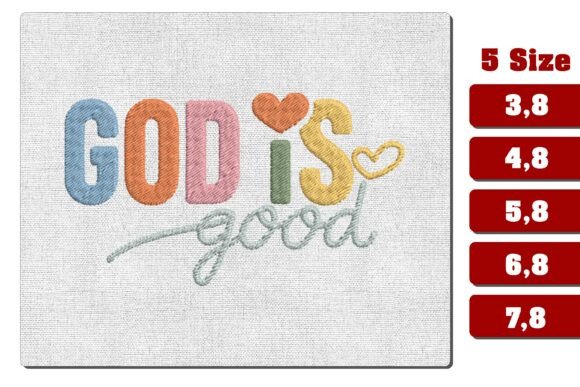
The layout is straightforward and confident. The phrase "God is Good" is the clear focal point, presented in a style that feels both classic and approachable. It doesn't scream; it states. This isn't a design that feels like it belongs on a flashy, trendy item. Instead, its personality leans toward sincerity. It creates a mood of gratitude and affirmation, which makes its categorization under "Thanksgiving" feel appropriate, though its application is clearly year-round. The visual personality is clean and legible, suggesting it's a design that prioritizes clarity over ornate detail. That's a smart move for a message-driven piece.
Where This Design Naturally Finds Its Home
My mind immediately goes to projects where the message is the product. A custom embroidered tote bag for a church volunteer, a cozy sweatshirt for a quiet morning of reflection, or a beautifully finished pillow cover for a nursery or a cozy living room. It feels like a natural fit for boutique products aimed at a faith-based market or for personalized gifts that carry emotional weight—think a wedding gift for a couple or a keepsake for a newborn. For small shop merchandise, this design could anchor a whole line of gratitude-themed items, from aprons to simple tea towels.
Performance in Real-Life Stitching Scenarios
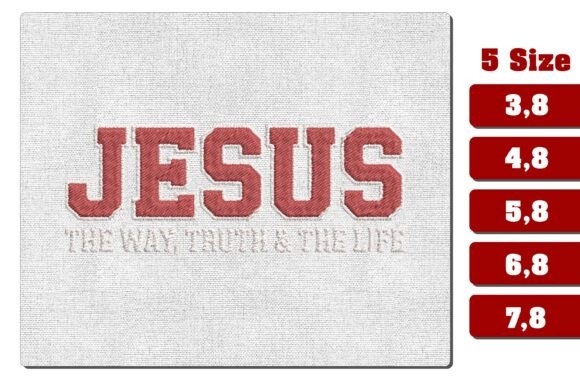
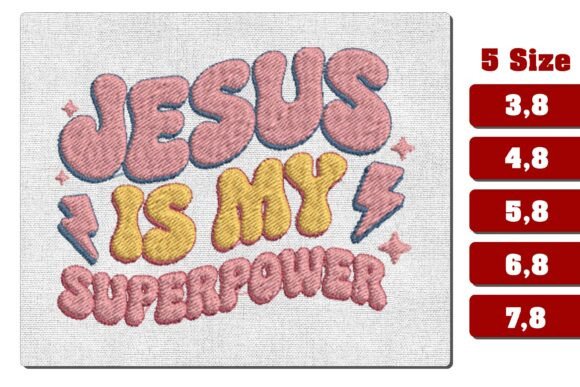
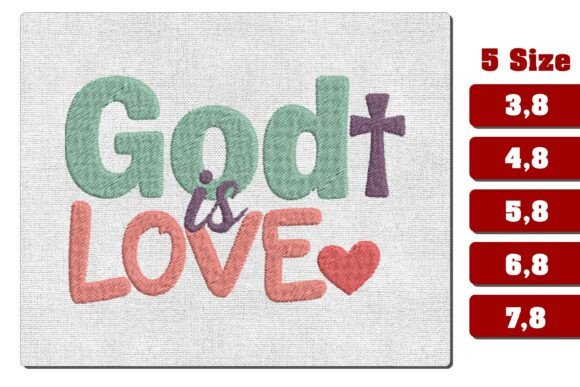
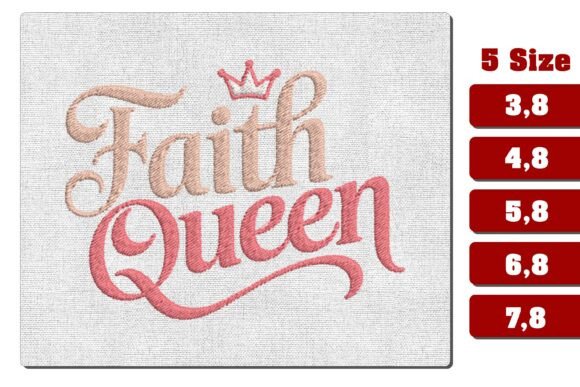
The available size range, from 3.8 inches up to 7.8 inches, is a significant practical advantage. This allows you to match the design's presence to the project's scale. The smaller sizes invite application on caps, baby clothes, or as a subtle accent on a collar or pocket. I'd lean toward the larger sizes for statement pieces: the center of a tote bag, the back of a sweatshirt, or prominently featured on a blanket. On a dark fabric, with a thoughtful thread color choice for contrast, this design would pop with a quiet authority. On a light linen kitchen towel, it would feel homemade and heartfelt.
For crafters and Etsy sellers, this kind of design boosts product value by adding a layer of personalization and meaning. A plain tea towel becomes a thoughtful gift; a simple tote becomes a daily reminder. The stitching clarity of this design, given its likely use of clean satin stitches for the letters and perhaps fill stitches for any supporting elements, should result in a professional, crisp finish that builds customer trust. A well-embroidered version speaks to care and quality, elevating a handmade presentation.
A Real Case: Preparing a Custom Embroidered Sweatshirt
Let's walk through a scenario. You're preparing a custom sweatshirt order for a client who wants this design. You select a mid-weight, high-quality sweatshirt blank. You opt for the 6.8-inch size to make it a central feature on the left chest. Your first professional step is, always, to test the embroidery file on a scrap of similar fabric. You check the stitch density—is it appropriate for a knit fabric without causing puckering? You confirm your hoop size and stabilizer strategy. You run the test and inspect the small details, particularly any corners in the lettering. The result is clean. You then consider thread color: a soft cream on a heather grey sweatshirt? A deep navy on a white base? The contrast you choose directly affects the visual appeal and the final emotional resonance of the piece.
When the client receives it, the reaction you anticipate isn't about technical perfection (though that's your goal), but about the clear, unadorned message now permanently part of a garment they love. For a small business, that successful execution translates into repeat business and positive engagement.
Careful Application: Where to Pay Extra Attention
While the size range is versatile, the smallest hoop size, 3.8 inches, demands scrutiny. On a cap's curved surface or on a baby item with fine fabric, tiny lettering can become challenging. The stitch density needs to be manageable to avoid a stiff, bulky patch on flexible or textured fabrics. Thin or stretchy fabrics will require meticulous stabilizer choices. If the design has any particularly dense stitch areas, they could pose challenges on layered garments like jacket fronts.
For products destined for frequent washing, like apparel or kitchen linens, the integrity of the stitches and the fabric backing becomes paramount. A design with good structural clarity, without overly fragile details, will endure better. This is where your test on scrap fabric is invaluable—it's a simulation of wear and care.
Designer Notes for a Smooth Embroidery Process
- Always test first on a fabric scrap that mimics your final project fabric.
- Review thread color contrast for both light and dark fabric backgrounds. Consider creating black and white mockups to visualize the impact.
- Inspect the provided embroidery file for any potential issues in small details before committing to a final product.
- Use proper stabilizer for your chosen fabric type—this is non-negotiable for professional results.
- Before selling finished items or using the design for commercial embroidery projects, confirm the licensing terms of the digital embroidery file. This protects your craft business.
- The design's applicability for both personal gifts and commercial products is a key consideration; ensure your use aligns with the license.
The Impact on Your Work and Your Customer
Ultimately, an embroidery design like "God is Good" is more than a set of stitches; it's a component of your creative output. When executed well, it enhances your brand consistency by demonstrating your ability to handle message-driven work with care. It increases the "giftability" of your products, making them perfect for holidays, weddings, or times of support. Its recognition factor is high—the message is universally understood within its community, which can drive buyer engagement in your Etsy listings or at a craft fair.
For the digital product seller, this design represents a reliable asset. Its clean layout and multiple sizes make it a versatile choice for customers, which in turn makes your digital shop more appealing. When you provide a design that performs reliably in real projects, you build a reputation as a source for quality embroidery files.
In closing, the "God is Good" Christian embroidery PES design presents a solid, practical option for makers aiming to create meaningful items. Its strength lies in its clear communication and size versatility. Your job, as the experienced designer, is to match it with the right fabric, the right stabilizer, and the right project context. Do that, and it will stitch out not just as a good design, but as a good product.